Conceptual design describes the concept that one design can have multiple meanings. When used in the design of book covers conceptual designs can offer the audience an understanding of various topics that can be expected within its pages.
This blog post will analyse conceptual design within the category of crochet/knitting books by finding a good example of conceptual design and an example containing no conceptual design, then providing an updated version that includes conceptual design.
Good example
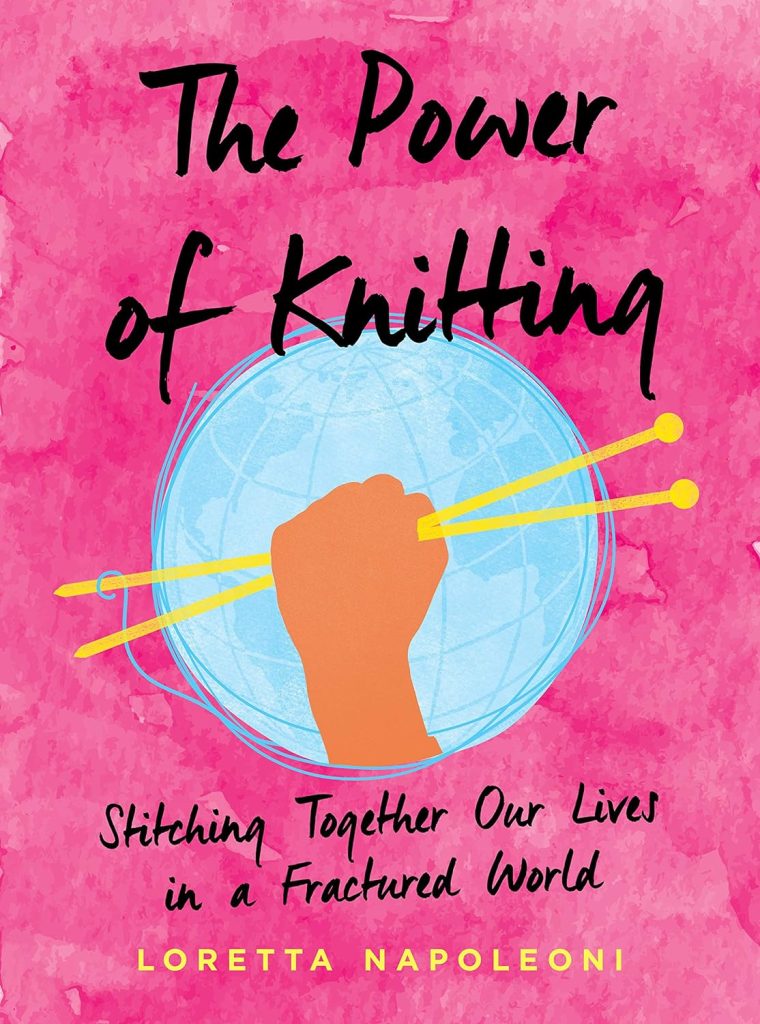
The Power of Knitting written by economist Loretta Napoleoni is a book about the powerful effect knitting can have on empowering people, healing people, and bringing people together in our disjointed world. At first glance, the book cover shows a blue ball of yarn with a hand holding knitting needles in front, however upon closer inspection the illustration is a map of the world with yarn wrapped around it, meaning the reader must infer that metaphorically the world and yarn are both represented in this image. The subtitle of the book is ‘stitching together our lives in a fractured world’, having the yarn wrapping around the world gives a visual representation of yarn physically holding the ‘fractured world’ together. This is an excellent example of conceptual design; the image of the yarn/world has a dual purpose which connects to the meaning of the book title and ultimately the contents of the book.
In addition to the conceptual meaning of the illustration of the world, the hand in front of the world is in a fist, which has throughout history been a symbol of power and protest (The Economist, 2020). This book is trying to convey a message about how powerful knitting has been throughout history and is backing this point up by incorporating one of the most recognisable symbols of power.
In the illustration the powerful fist is being formed to hold knitting needles like a weapon, this could have an additional meaning of people using knitting as a weapon of peace.
Above all, this book cover will give the audience an appreciation of the metaphors created through the multiple meanings of the illustration because they are understandable. Mulken et al. (2014) state that “comprehension is a necessary prerequisite because otherwise the strategy may backfire”. Conceptual designs must be clear to understand because if not they will have less of an impact.
Poor example
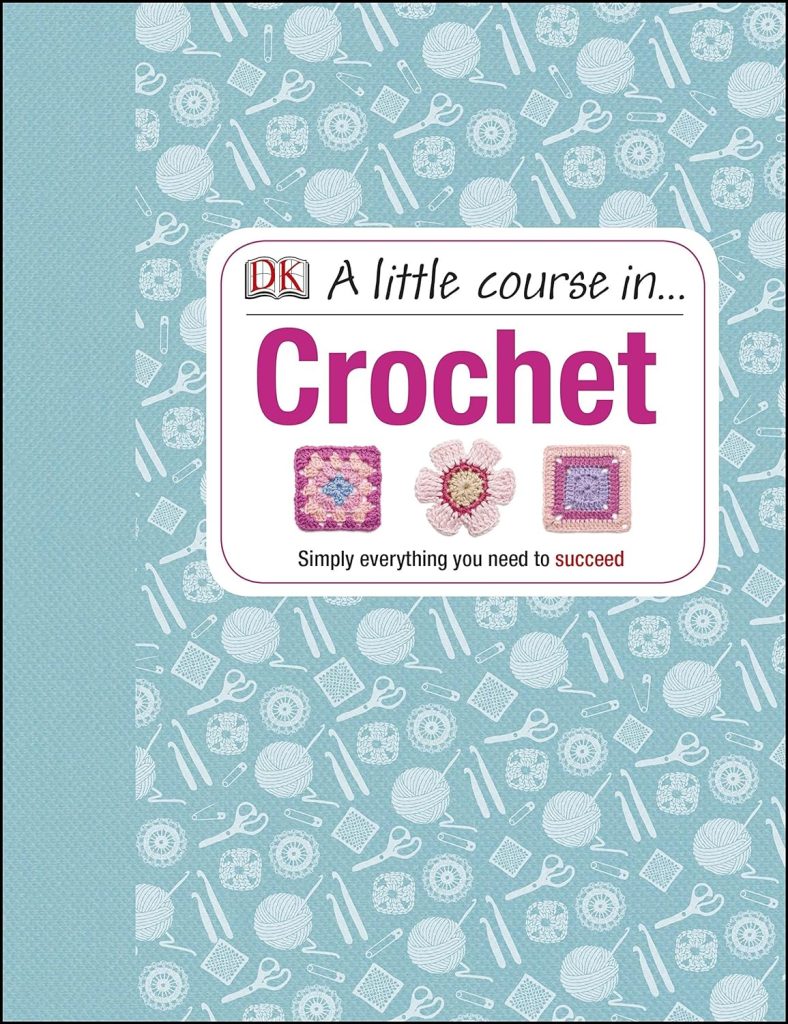
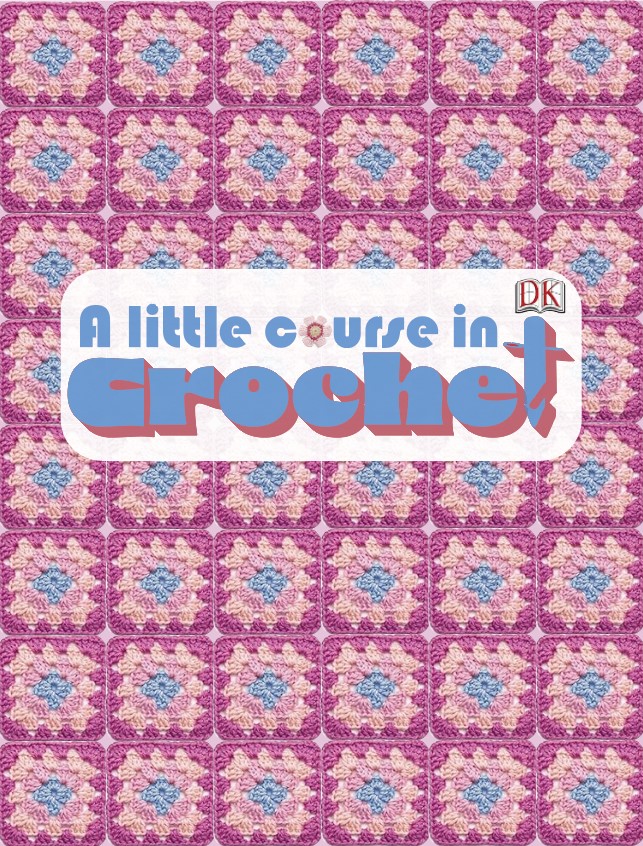
There are no examples of conceptual design on the original book cover for ‘a little course in crochet’. The cover has images of scissors, crochet hooks, yarn and more, meaning the reader can understand what will be included in the book. However, the overall design is quite lifeless and does not pop. Introducing a conceptual design into this book cover would introduce a new layer of appreciation to the audience and hopefully make them spend more time looking at the cover, leading to a purchase of the book.
However, introducing a conceptual design that is not too simple is also important as this can also affect the impact of the design, much like an overly ambitious conceptual design can do.
For the revised version the text has included two conceptual design ideas. The first example shows the letter ‘o’ in the word ‘course’ has been replaced by the crocheted flower from the original book cover. The second example is that the stem of the letter ‘t’ in the word ‘crochet’ is a crochet hook with a sewing needle as the cross stroke on the ‘t’. It is important when replacing letters for conceptual design that you ensure the word is still readable, which in this design they are.
These introductions of conceptual design in the revised version possibly are too simple; however, they do show an understanding of the idea behind conceptual design.
References
DK (2014) A little course in crochet. London: DK.
Mulken, M. V., Hooft, A. V. & Nederstigt, U. (2014) Finding the tipping point: visual metaphor and conceptual complexity in advertising. Journal of Advertising, 43(4), 318-332.
Napoleoni, L. (2020) The power of knitting. New York: Penguin Random House USA.
The Economist (2020) A brief history of protest symbols, from cockades to raised fists. The Economist, Internet edition. 17 June. Available online: https://www.proquest.com/docview/2414023991?accountid=11528&parentSessionId=6LoPGjz0h5YW%2FeFvogTkUSi94MYIfk%2FqccEujC44Woo%3D&pq-origsite=summon [Accessed 26/10/2023].