Following on from ‘Post 1’ this posts aim is to further improve the User Experience (UX) and User Interface (UI) of the Leeds Festival companion app. These improvements will be made by analysing the data collected when carrying out primary research in the form of a Google survey. It is important for the app to improve the UX and add value to the process of going to the music festival. Additionally, omnichannel UX is important to consider when designing a responsive website and a companion app.
App Design Development (developed from research)
The user feedback collected from the survey drilled down into what attendees of a music festival would like included in a companion app. Please see below the questions and responses relating to a music festival app:
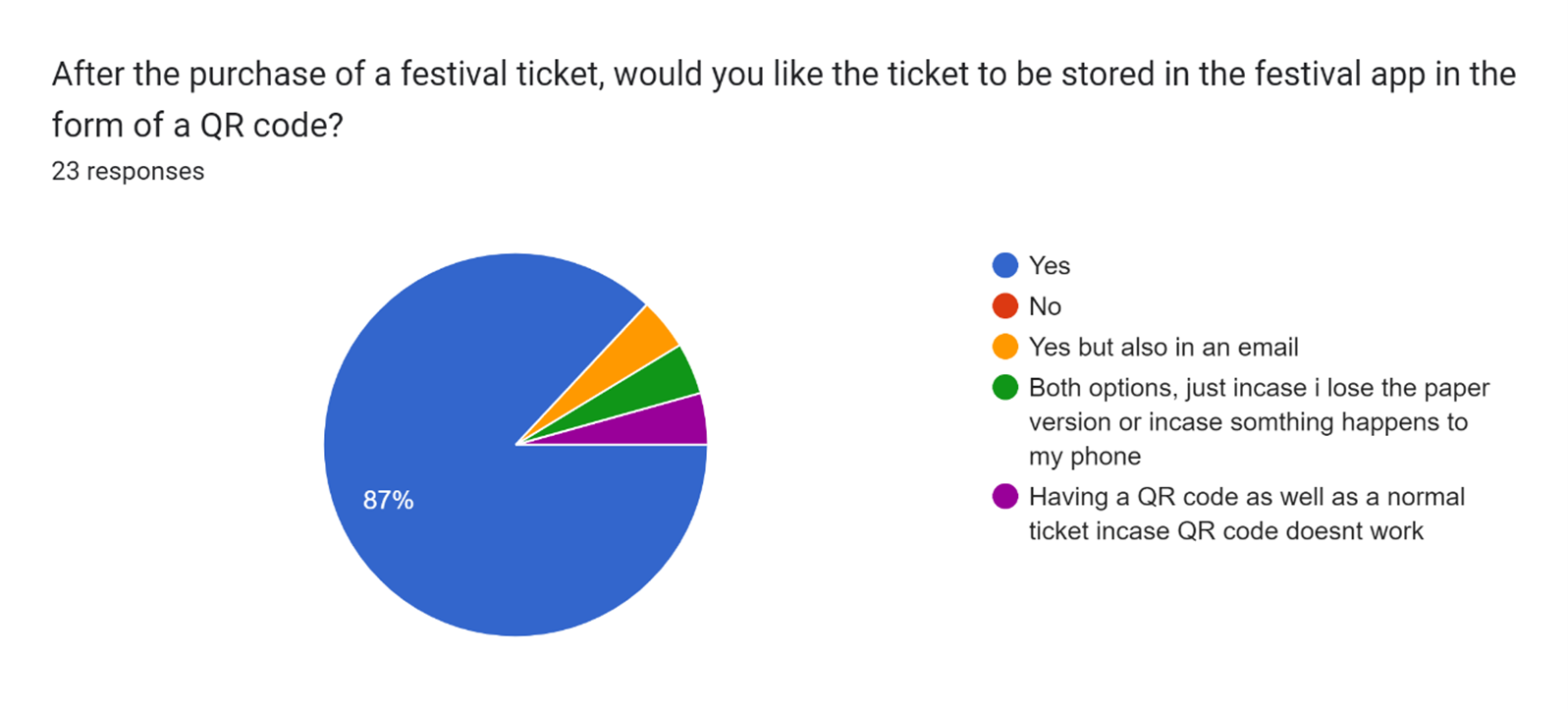
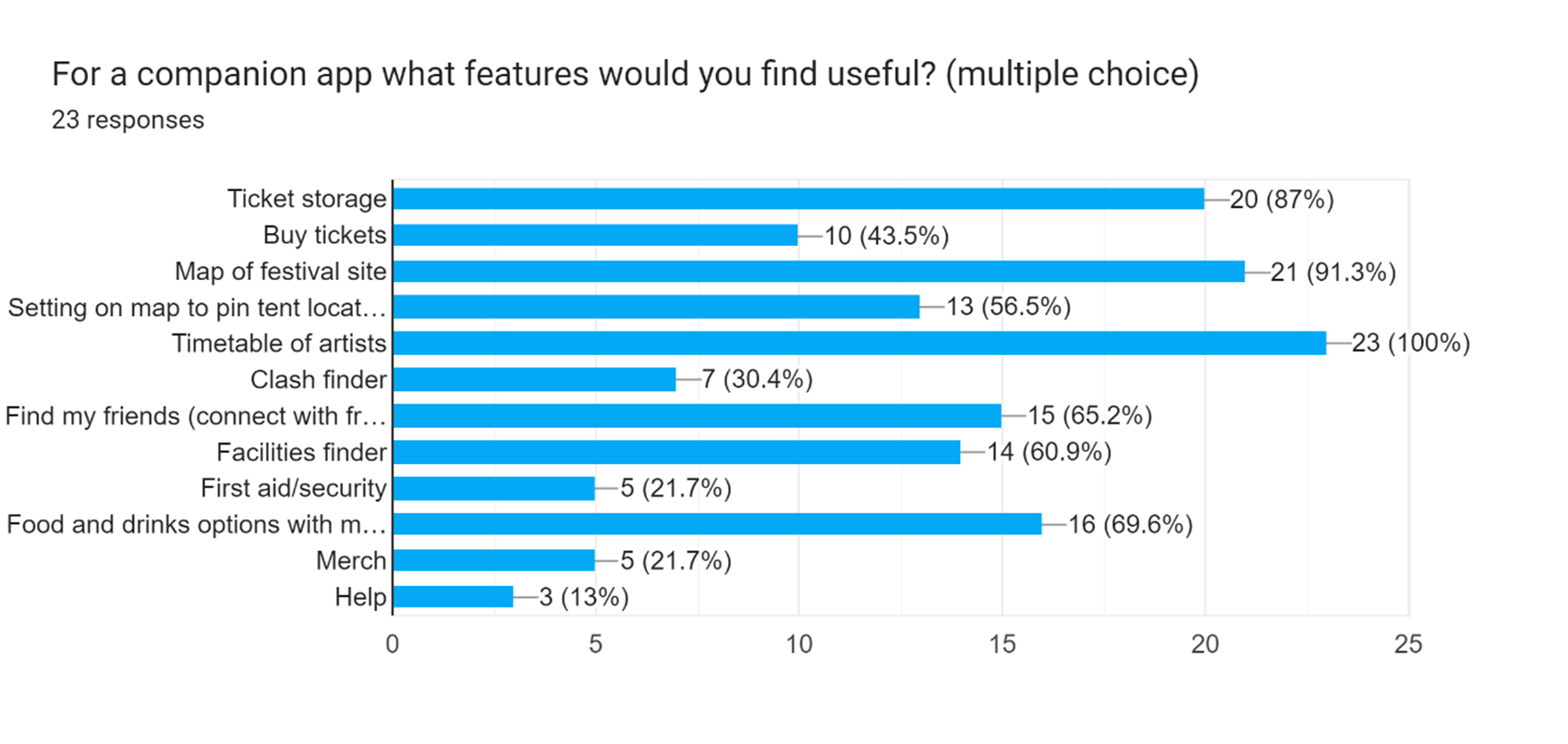
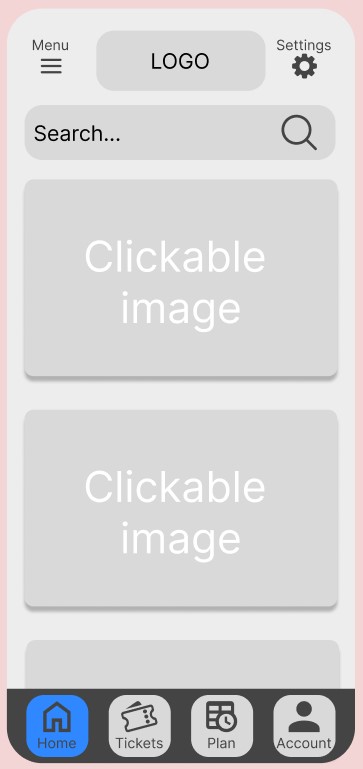
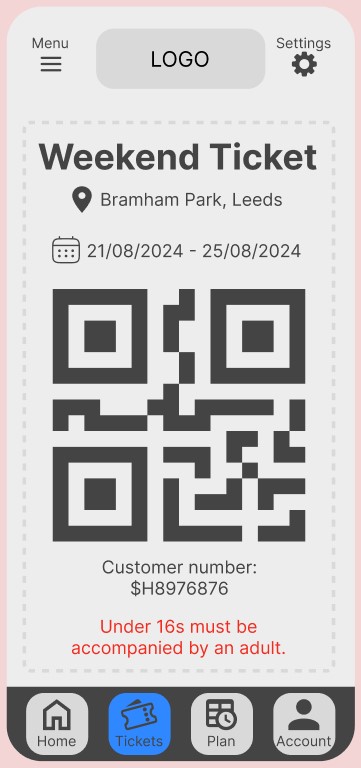
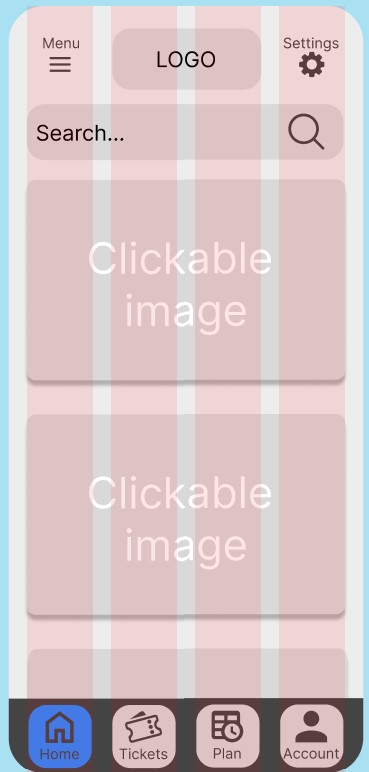
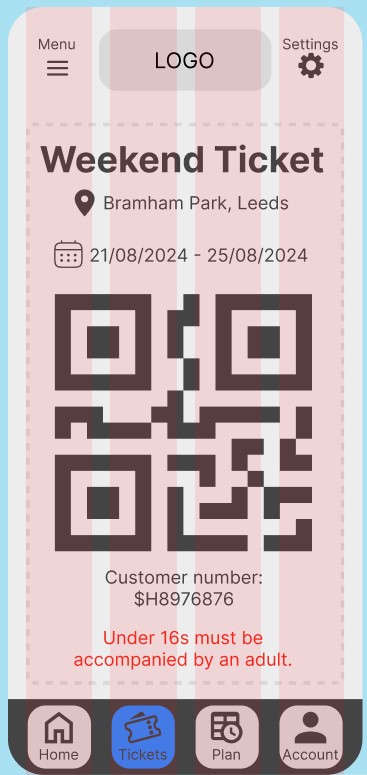
Based on the user feedback from the survey along with additional UX research, a few changes have been made to the low-fidelity prototype from UI & UX Design – Development Research Blog Post, please see below:
Salazar (2016) of Nielsen Norman Group writes about the components that make up an effective omnichannel user experience, these components are consistent, optimized, seamless, orchestrated, and collaborative. In relation to the Leeds Festival website and companion app these elements are necessary for the following reasons:
Consistent – ensuring consistency across all channels is vital to a positive UX, this will assist in the ‘memorable’ usability goal.
Optimized – guaranteeing that the UX is positive due to the user having the best possible experience on each device they are using.
Seamless – meaning a user can use the website and then pick up from where they left off on another device and continue the with the route that they were on.
Orchestration – supporting the user through their journey with the use of feedback in the form of showing where they are on the journey or messages that assist them.
Collaborative – allowing users to be able to use more than one device, i.e. the website on a laptop and the companion app on a phone and logging in to both.
For these reasons it is important to have a website and companion app with a UI that run efficiently together and make certain they follow a similar operation system to give the user familiarity and ultimately result in an improved UX. To ensure this happens, the low-fidelity prototype from UI & UX Design – Development Research Blog Post was updated to fit into the 12-8-4 system mentioned in the previous post. Please see below the updated mid-fidelity prototypes including the 4-column layout system:
References
Salazar, K. (2016) Customer Journeys and Omnichannel User Experience. Available online: https://www.nngroup.com/articles/customer-journeys-omnichannel/ [Accessed 2/4/2024].